In This Guide
Sleep is the most powerful recovery tool available and also the most neglected. No massage gun, foam roller, or ice bath comes close to what a consistent 7-9 hours of quality sleep does for muscle repair, hormonal recovery, and cognitive function. If your sleep is poor, everything else is a band-aid.
The supplement market for sleep is flooded with overpriced products making exaggerated claims. This guide focuses only on compounds with meaningful research behind them — the ones that actually move the needle on sleep quality for athletes.
#1 — Magnesium Glycinate
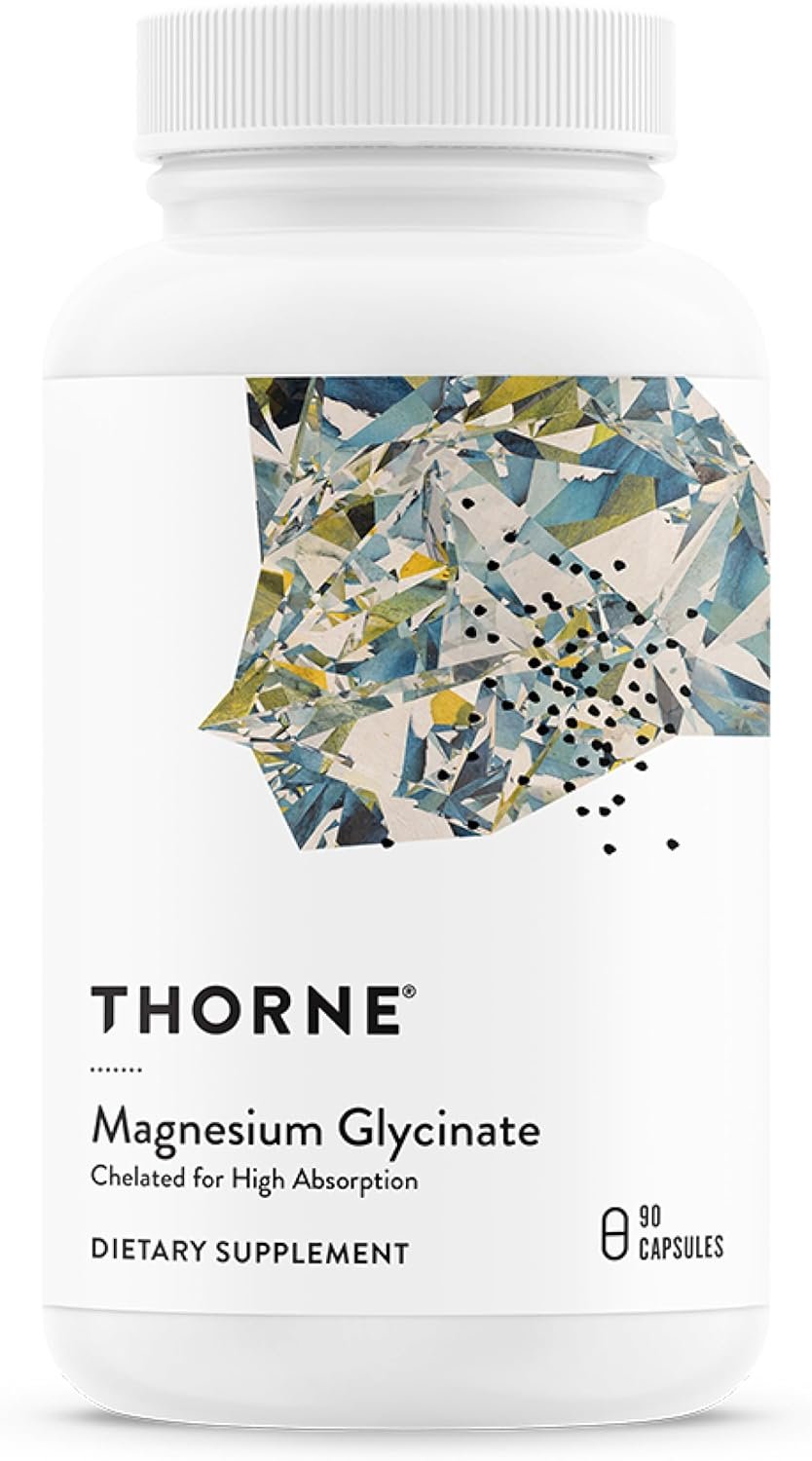
Thorne Magnesium Bisglycinate
Magnesium deficiency is extremely common in athletes — heavy training depletes magnesium rapidly through sweat. Low magnesium directly impairs sleep quality, muscle relaxation, and nervous system recovery. Supplementing with magnesium glycinate (the most bioavailable and gentle form) consistently improves sleep depth and reduces nighttime muscle cramping. This is the single most impactful sleep supplement for most athletes and the first one to try. Thorne is one of the few supplement brands with rigorous third-party testing.
#2 — KSM-66 Ashwagandha
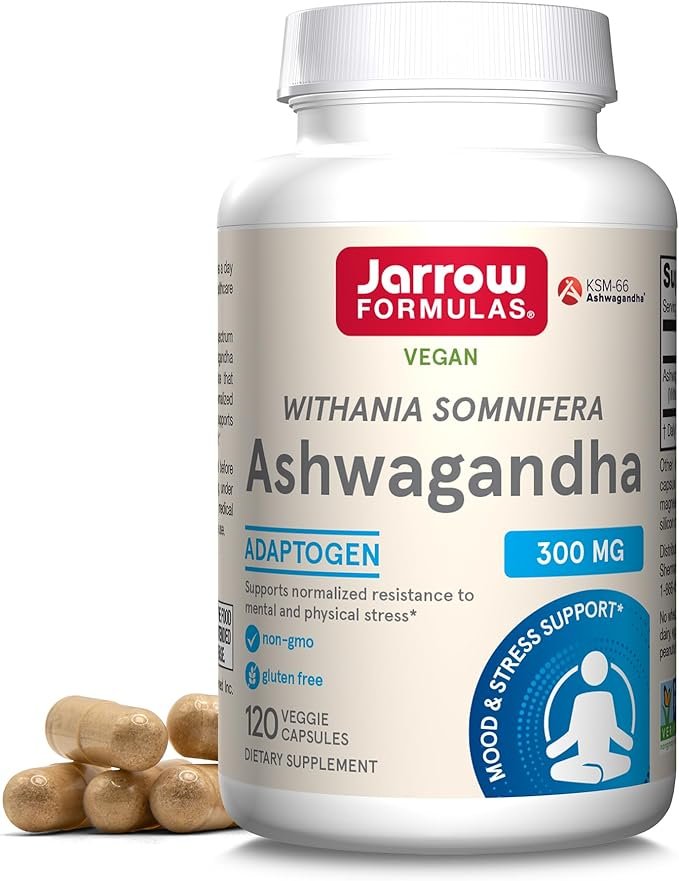
Jarrow Formulas KSM-66 Ashwagandha
If poor sleep is driven by elevated cortisol, racing thoughts, or training-related stress, ashwagandha is the most evidence-backed adaptogen for the job. KSM-66 is the most clinically studied ashwagandha extract — multiple randomized controlled trials show it meaningfully reduces cortisol levels and improves sleep quality in stressed and overtrained individuals. The key is using KSM-66 specifically, not generic ashwagandha root powder, which has inconsistent potency.
#3 — Low-Dose Melatonin
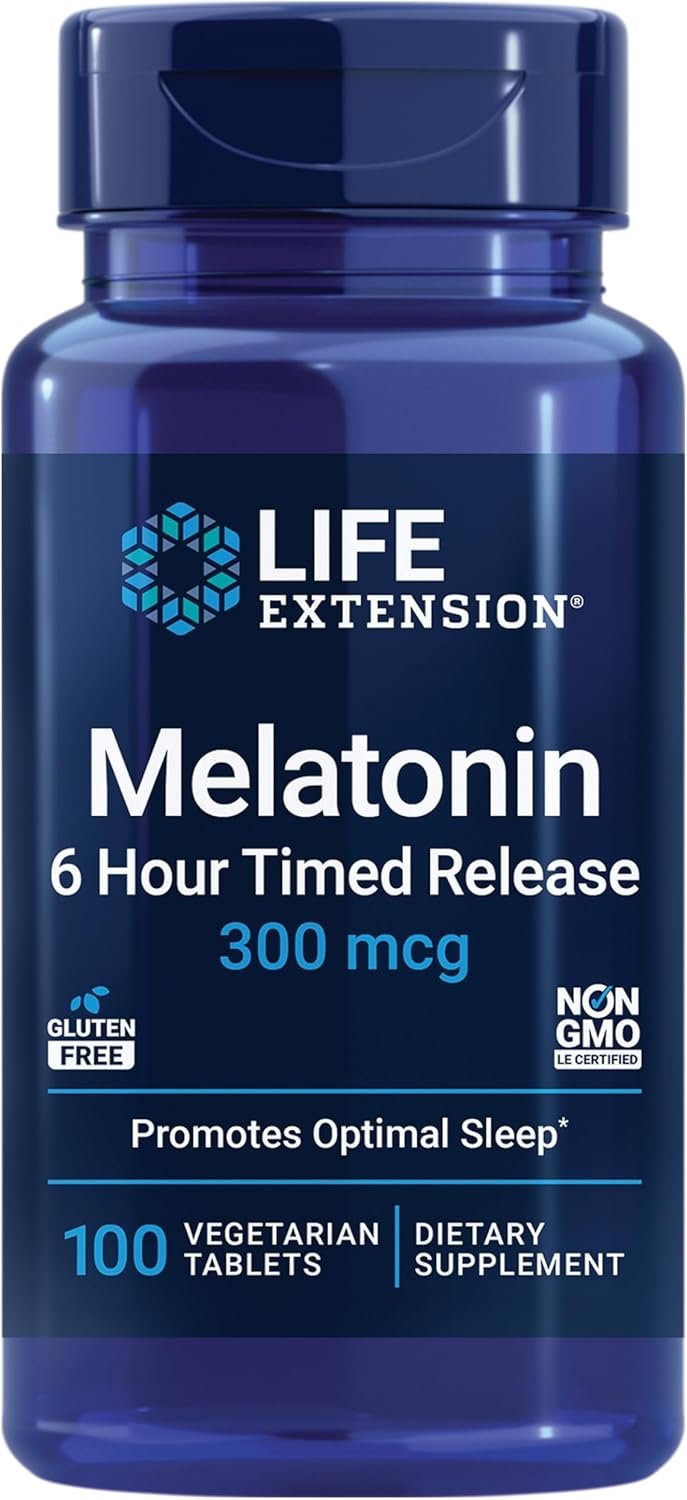
Life Extension Melatonin 300mcg
Most melatonin products are dramatically overdosed — 5mg and 10mg doses are common but research consistently shows 0.3mg (300mcg) is as effective as higher doses for improving sleep onset with far fewer side effects. High-dose melatonin causes morning grogginess, suppresses natural melatonin production over time, and disrupts sleep architecture. Low-dose melatonin is the correct approach — it signals your brain that it's time to sleep without overriding your natural system. Life Extension's 300mcg is one of the few correctly dosed products on the market.
What Actually Works vs. What Doesn't
What has real evidence behind it: Magnesium glycinate, KSM-66 ashwagandha, low-dose melatonin, L-theanine (200mg — promotes relaxation without sedation), and tart cherry juice concentrate (natural source of melatonin precursors with solid research in athletes).
What doesn't have meaningful evidence: Most proprietary sleep blends, valerian root at common doses, GABA supplements (poor oral bioavailability — GABA taken orally doesn't cross the blood-brain barrier effectively), and most "sleep support" products sold at premium prices. The markup on these products is enormous relative to their actual efficacy.
The most important thing that isn't a supplement: Sleep hygiene. A consistent bedtime, a cool dark room, no screens in the 30 minutes before bed, and no caffeine after noon will do more for sleep quality than any supplement stack. No product fixes bad sleep habits.
For athletes specifically: Training timing matters. Hard training within 3 hours of bedtime elevates core temperature and cortisol, both of which delay sleep onset. If you train late, magnesium and ashwagandha are especially relevant. A cold shower post-training can help accelerate the temperature drop that signals sleep readiness.
The practical starting stack: Magnesium glycinate nightly, KSM-66 ashwagandha if stress is a factor, and low-dose melatonin situationally. Total cost under $60/month. More effective than any single premium sleep supplement at five times the price.
SimpleRecoveryGuide.com is a participant in the Amazon Services LLC Associates Program. We earn a small commission on purchases made through our links at no extra cost to you. This content is for informational purposes only and is not medical advice. Consult your doctor before starting any supplement regimen, particularly if you take medications or have existing health conditions.