In This Guide
Knee pain is one of the most common reasons athletes — especially those over 40 — scale back or quit training entirely. The right knee brace won't fix an underlying problem, but it can provide enough support to keep you moving, reduce inflammation, and protect the joint under load.
The category breaks into two distinct products: knee sleeves (compression, warmth, proprioception) and knee braces (structural support, hinges, ligament protection). Most people conflate them. We'll cover both.
#1 — Bauerfeind GenuTrain
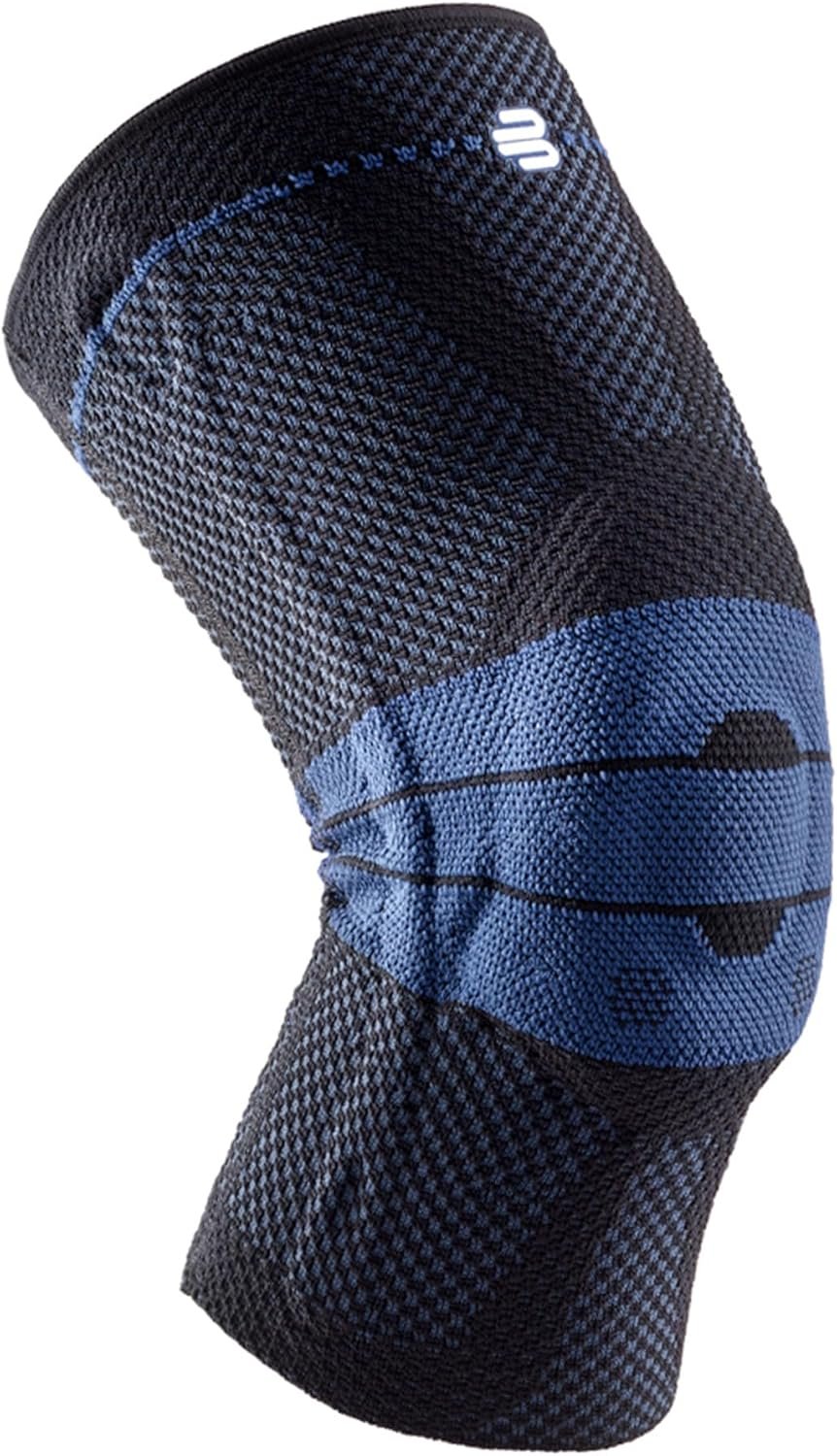
Bauerfeind GenuTrain Knee Support
The Bauerfeind GenuTrain is medical-grade and it shows. The knitted compression fabric applies targeted pressure around the patella while the omega pad massages the surrounding tissue during movement. It's the most clinically validated knee support on this list — used in physiotherapy settings worldwide. If your knee issue involves the patella (tracking problems, tendinitis, runner's knee), this is your best option.
#2 — McDavid Knee Brace with Polycentric Hinges
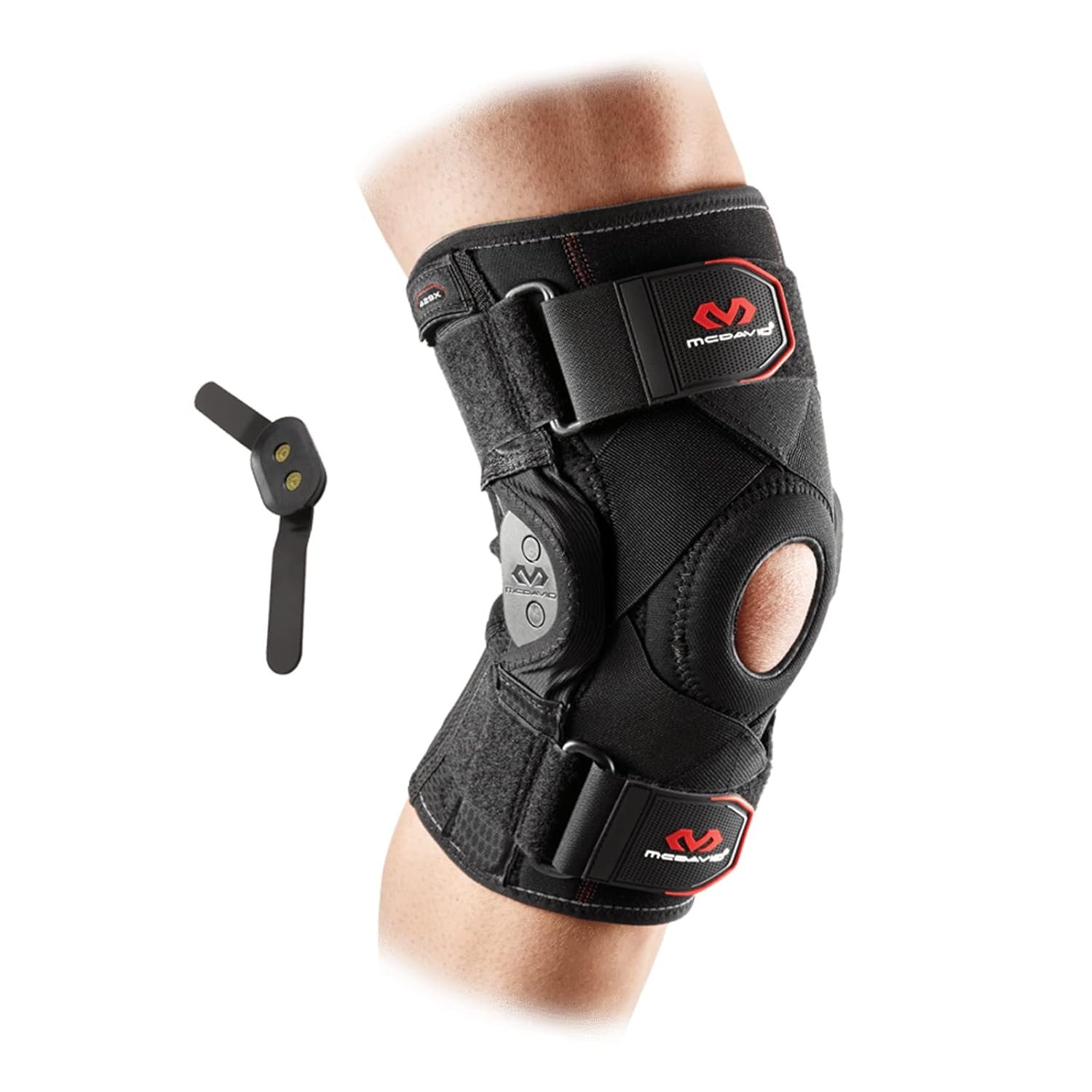
McDavid Knee Brace with Polycentric Hinges & Cross Straps
If you need lateral stability — ACL/MCL support, post-sprain protection, or confidence under heavy squats — the McDavid hinged brace is the move. The polycentric hinges allow natural knee flexion while preventing lateral movement that could aggravate ligament damage. It's bulkier than a sleeve, but that's the point.
#3 — Bodyprox Knee Sleeve
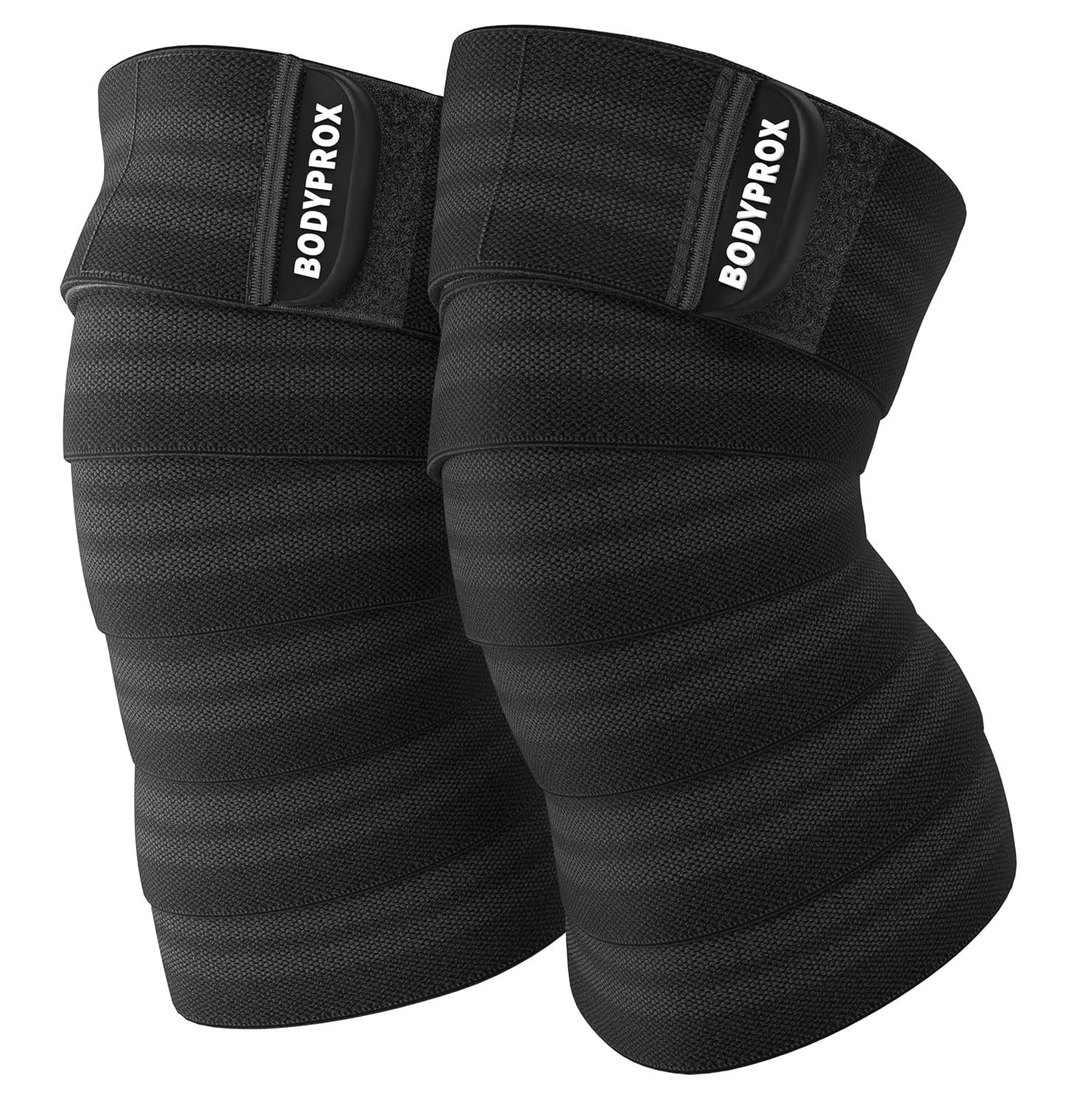
Bodyprox Knee Sleeve
For general training support, warmth, and mild compression, an affordable knee sleeve is often all you need. The Bodyprox sleeve offers consistent compression without the bulk or price of a medical-grade support. If your knees ache after training but aren't structurally compromised, start here before spending more.
Brace vs. Sleeve: What's the Difference?
A sleeve provides compression and warmth. It increases blood flow, improves proprioception (your knee's sense of its own position), and reduces general aching. It offers minimal structural support. Best for: general soreness, mild inflammation, training confidence.
A brace provides structural support. Hinged braces prevent lateral or rotational movement that could damage ligaments. They're appropriate after sprains, for instability, or under heavy loading in squats and lunges. They are not more effective than sleeves for patellar issues.
If you're unsure, start with compression. A quality knee sleeve like the Bauerfeind GenuTrain covers most non-structural knee issues. If compression alone isn't enough — if your knee feels unstable, gives way, or swells after activity — see a physiotherapist before buying a brace. A brace worn incorrectly can worsen instability over time by creating dependency.
Sizing matters. A poorly fitted knee brace is worse than no brace. Measure your knee circumference at the midpoint and follow the manufacturer's size guide precisely. When in doubt, size down — compression sleeves should feel snug, not loose.
SimpleRecoveryGuide.com is a participant in the Amazon Services LLC Associates Program. We earn a small commission on purchases made through our links at no extra cost to you. This guide is for informational purposes only and is not a substitute for medical advice. Consult a physiotherapist for diagnosis and treatment recommendations.