In This Guide
Resistance bands are the most versatile and underused recovery tool in most people's kit. For rehab specifically, they allow progressive loading of injured tissue at resistance levels that weights simply can't replicate — you can work at 5% intensity and gradually increase. For mobility work, they provide assistance and resistance simultaneously in ways no other tool can.
The category splits into three distinct types. Knowing which one you need before you buy saves money and frustration.
#1 — TheraBand Professional Resistance Band Set
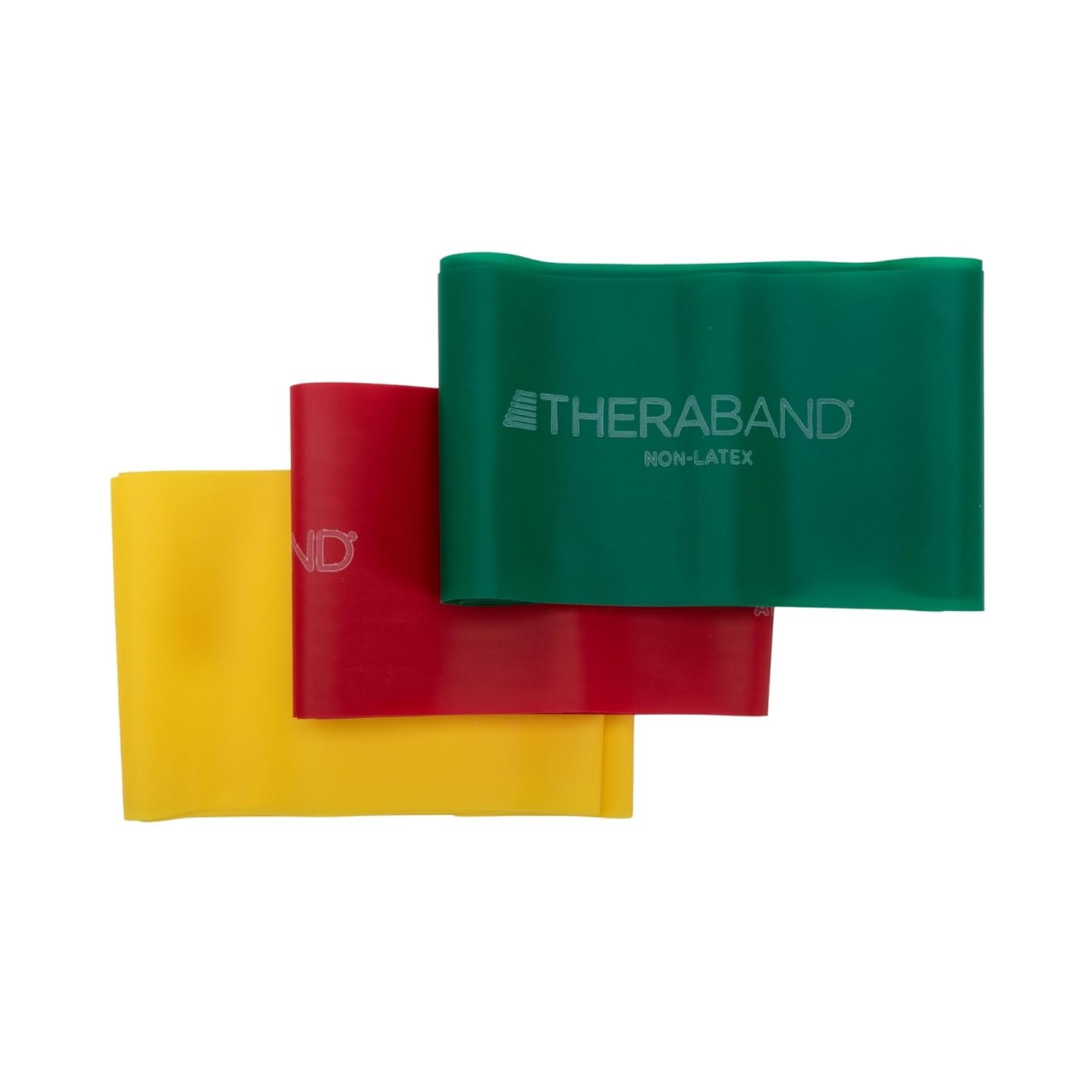
TheraBand Professional Resistance Band Set
TheraBand is the brand physiotherapists have used for decades — and for good reason. Their flat latex bands come in a color-coded progressive resistance system (yellow through gold) that allows precise, incremental loading during injury rehabilitation. The flat band format is ideal for upper body rehab, rotator cuff work, and physical therapy protocols. If you're recovering from a specific injury and want what your physio would recommend, this is it.
#2 — Gymreapers Resistance Bands
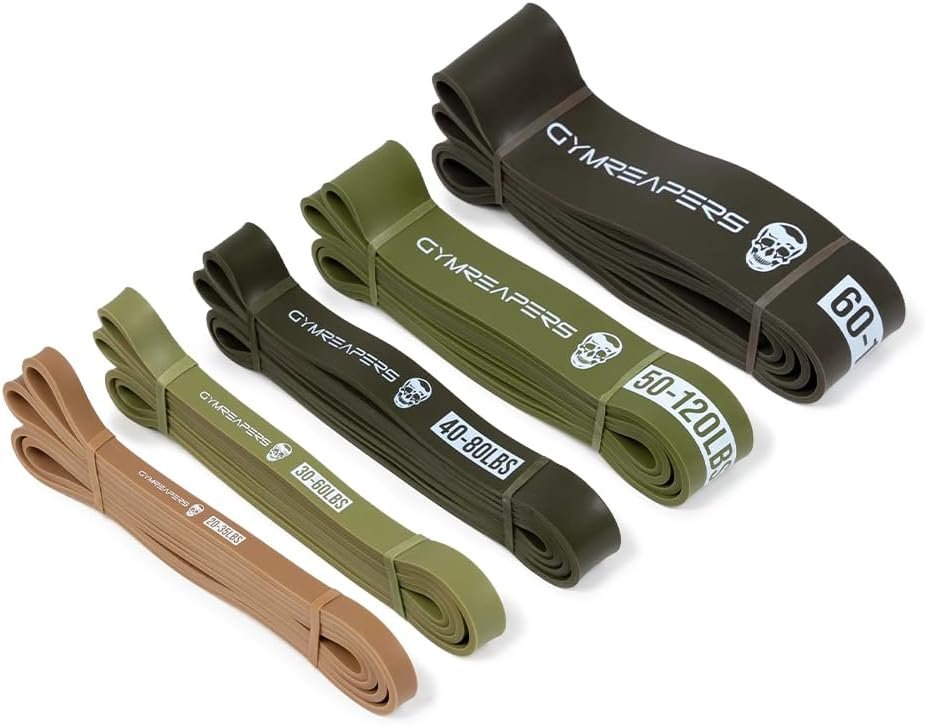
Gymreapers Heavy Duty Resistance Bands
Gymreapers makes serious resistance bands built for heavy training use — ideal for banded barbell work, assisted pull-ups, hip flexor mobility, and loaded stretching. Made from durable layered latex, they hold tension consistently and don't snap or lose elasticity over time the way cheaper bands do. If you're using bands for mobility work alongside serious training, these are a reliable and well-priced option that will handle whatever you throw at them.
#3 — Fit Simplify Resistance Loop Bands
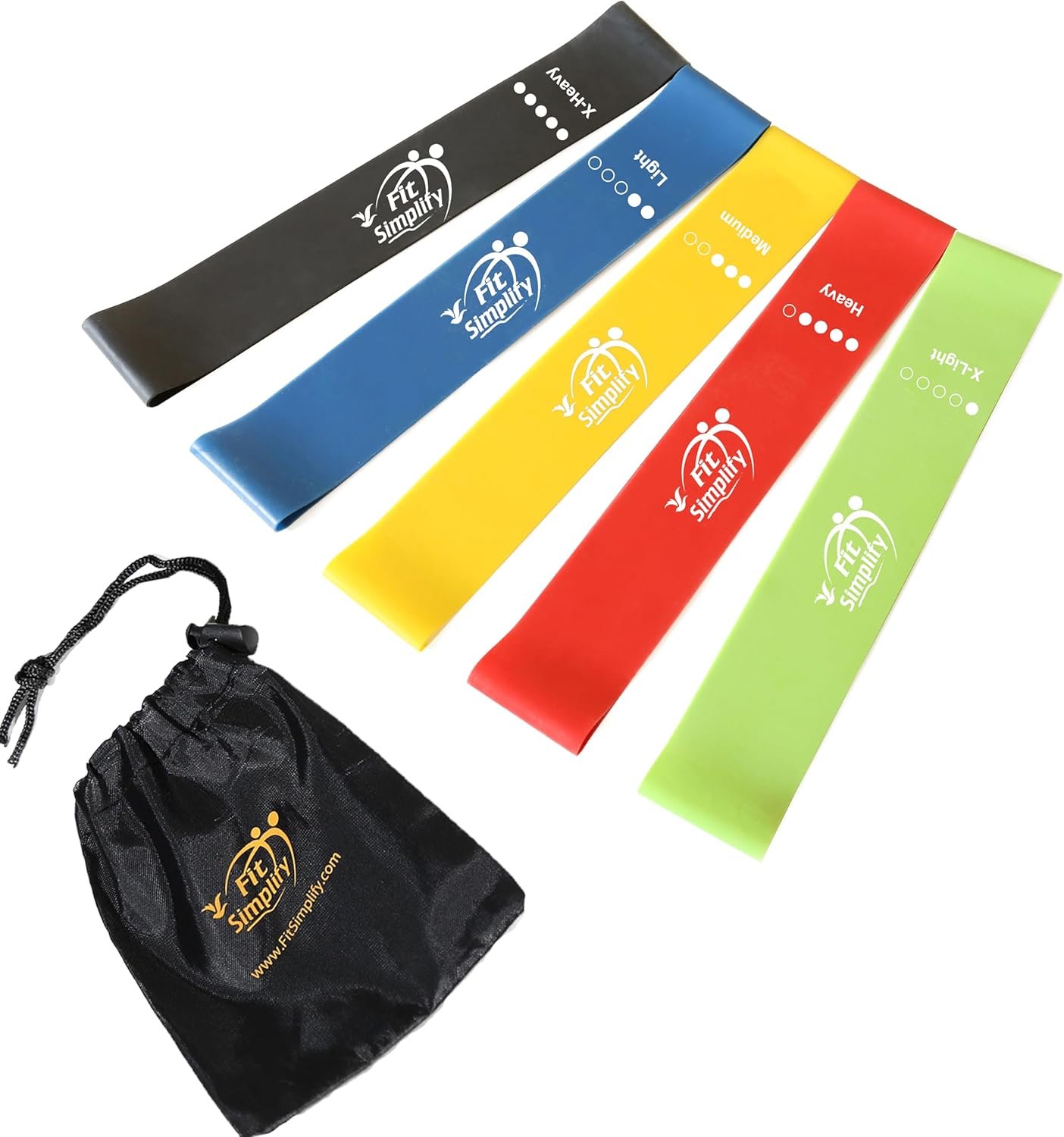
Fit Simplify Resistance Loop Exercise Bands
For lower body rehab, glute activation, and general mobility work, a simple set of mini loop bands is all most people need. Fit Simplify's set of five progressive resistance loops covers the full range from light activation work to moderate resistance training. They're compact, durable enough for regular use, and at this price point there's no reason not to have a set. The most practical entry point into band-based recovery work.
Loop Bands vs. Flat Bands vs. Tube Bands Explained
Flat bands (therapy bands) like TheraBand are wide, flat strips of latex sold by the roll or in pre-cut lengths. They're the standard in physical therapy because they allow very fine control over resistance and work well for upper body rehab movements. They're not suitable for heavy loading or lower body work.
Loop bands are continuous loops used for lower body work, glute activation, and mobility. Mini loops (like the Fit Simplify set) sit around the knees or ankles. Large loop bands (like Rogue Monster Bands) are used for assisted pull-ups, banded barbell work, and loaded hip flexor stretching.
Tube bands with handles are what you see in most commercial gyms — they have plastic handles and carabiners for attaching to doors. They're versatile but less useful for rehab and mobility specifically. We don't recommend them as a primary recovery tool.
For most people recovering from injury or working on mobility, the ideal setup is a TheraBand set for upper body rehab work and a set of mini loop bands for lower body activation. Total cost under $50 and you'll have a complete band-based recovery toolkit.
Latex vs. fabric bands: Fabric mini loops are more comfortable on bare skin and don't roll up during lower body exercises, but provide less consistent resistance than latex. For rehab work where precision matters, stick with latex. For general glute activation work, fabric is fine.
SimpleRecoveryGuide.com is a participant in the Amazon Services LLC Associates Program. We earn a small commission on purchases made through our links at no extra cost to you. This guide is for informational purposes only and is not a substitute for medical advice. Consult a physiotherapist for diagnosis and treatment recommendations.