In This Guide
A foam roller is the most underrated piece of recovery equipment you can own. Done consistently, rolling out tight fascia reduces soreness, improves range of motion, and speeds up recovery between sessions. Done wrong — with the wrong roller for your body — it just hurts and you stop doing it.
The difference between a $15 roller and a $50 roller is significant. Here's what's actually worth the money.
#1 — TriggerPoint GRID Foam Roller
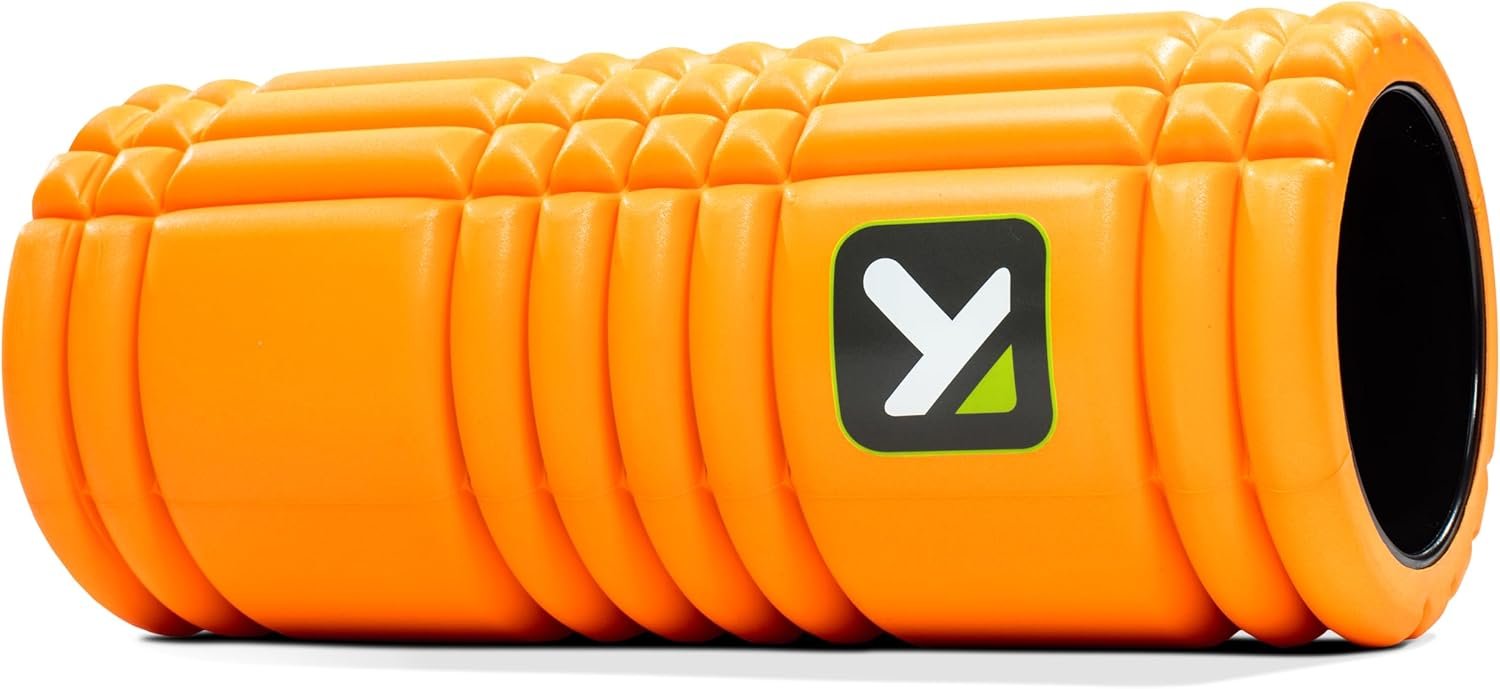
TriggerPoint GRID Foam Roller
The TriggerPoint GRID has been the benchmark foam roller for over a decade for good reason. The multi-density exterior — a combination of flat zones, ridges, and channels — mimics the feel of a therapist's hands far better than a uniform smooth roller. It's hollow core construction means it doesn't compress over time like cheap EPE foam rollers do. This is the one that's still in the same condition two years later.
#2 — Hyperice Vyper 3
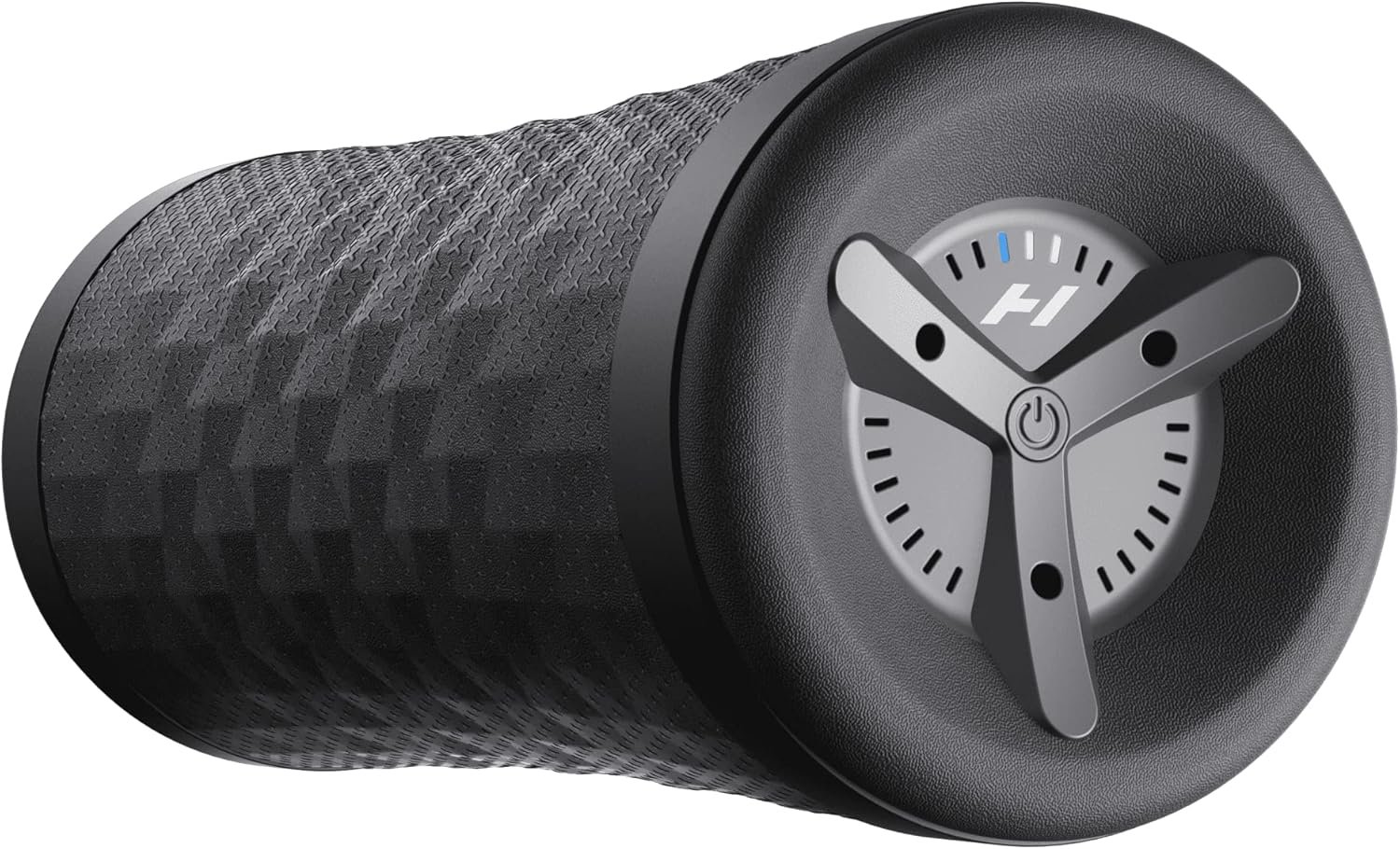
Hyperice Vyper 3 Vibrating Foam Roller
Vibration combined with compression is meaningfully more effective than rolling alone — research backs this up. The Vyper 3 runs at three vibration frequencies and penetrates deeper into muscle tissue than a standard roller can. If you have particularly dense muscle tissue, significant post-training tightness, or you're dealing with chronic areas that standard rolling doesn't resolve, the Vyper is worth the price.
#3 — Amazon Basics High-Density Round Foam Roller
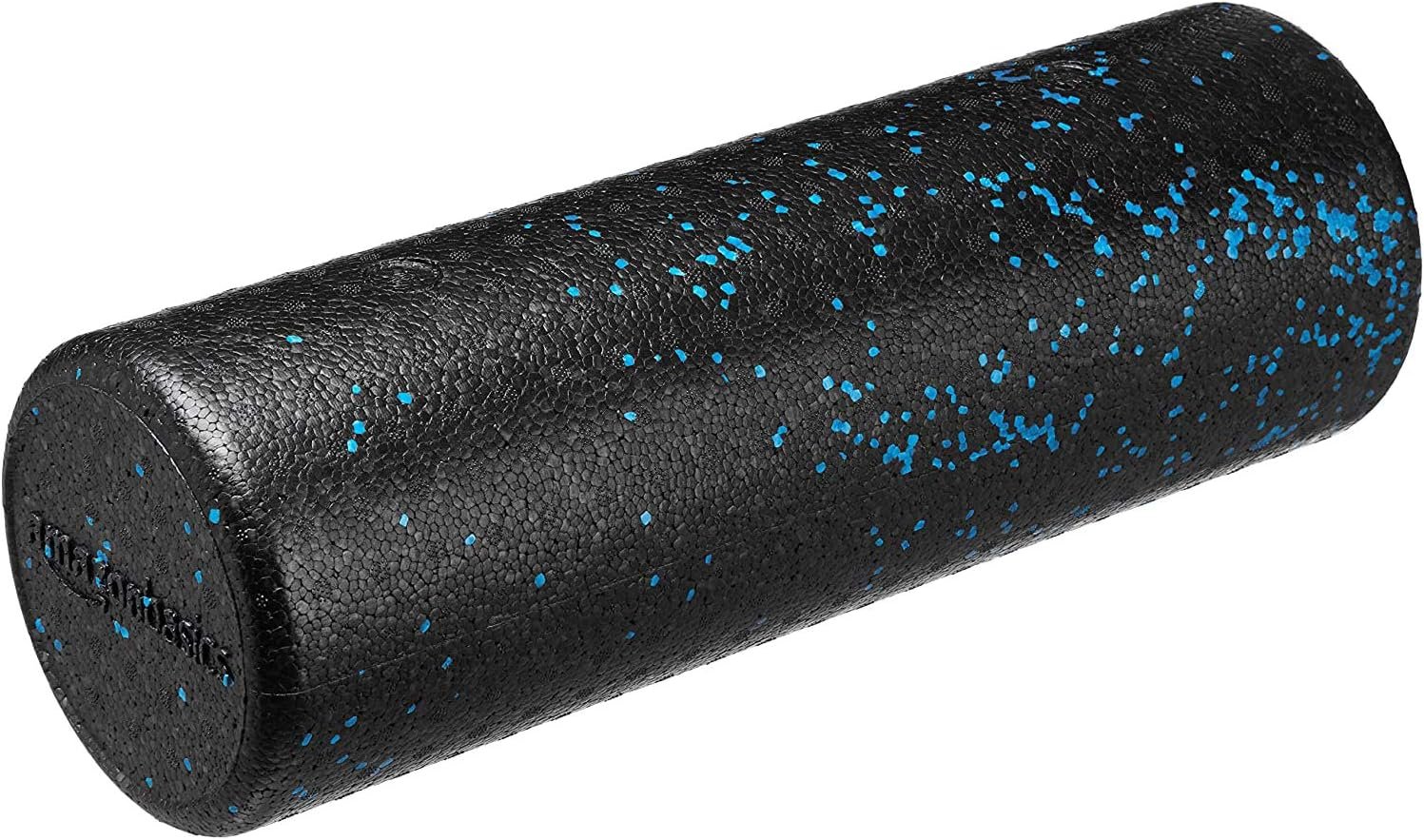
Amazon Basics High-Density Round Foam Roller
If you've never foam rolled before and want to find out if it becomes part of your routine before spending more, this is where to start. It's firm, it's durable enough for regular use, and it will do the job adequately for large muscle groups. The smooth surface is less targeted than the TriggerPoint but also less intense — which is actually better for beginners.
How to Choose: Density, Texture & Size Explained
Density is the most important variable. Soft foam rollers (white EPE foam) are nearly useless for anyone with developed muscle tissue — they compress too easily under body weight. Go medium-to-firm as a baseline. If you're new to rolling and have a low pain tolerance, start medium. If you're experienced, go firm.
Texture provides targeted pressure. Smooth rollers apply even pressure across the entire surface. Textured rollers (like the TriggerPoint GRID) create varying pressure points that better simulate manual therapy. For general use, textured is more effective. For beginners, smooth is more manageable.
Length affects what you can roll. A 12-13" roller is sufficient for most body parts and good for travel. A 36" roller is better for thoracic spine work — you can lie along it lengthwise and open up your entire back. If you only buy one, get the 13" TriggerPoint and a second cheap long roller for spine work.
Vibration is worth it — but only once you're already rolling consistently. The Hyperice Vyper makes an already effective practice more effective. But if you're not rolling daily, the technology is wasted. Build the habit first, then upgrade the tool.
SimpleRecoveryGuide.com is a participant in the Amazon Services LLC Associates Program. We earn a small commission on purchases made through our links at no extra cost to you. Our rankings are based on product merit — affiliate relationships never influence our recommendations.